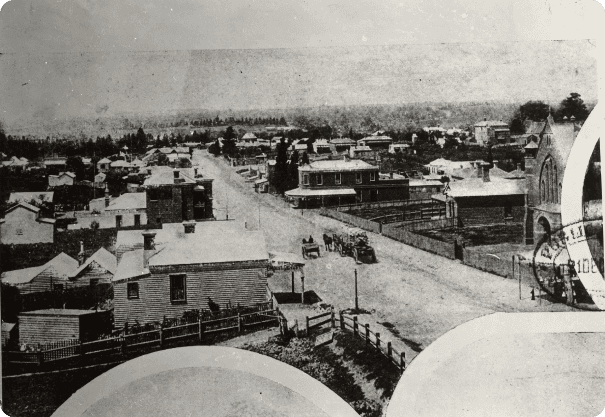
The history of
BURGUNDY ST
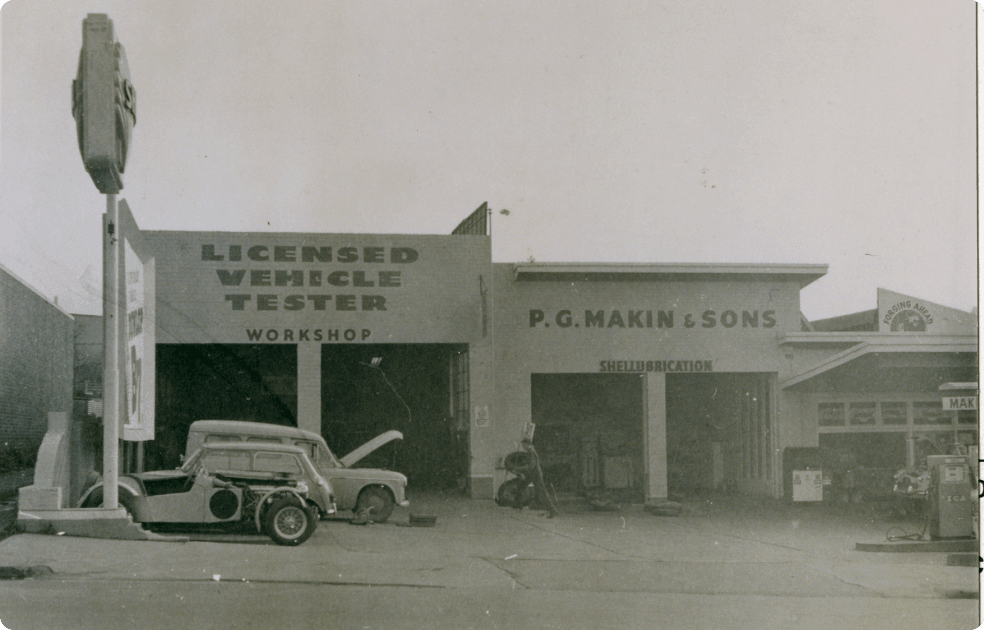
The Wurundjeri-balluk and Wurundjeri-willam people occupied the area from the Yarra Valley/Yarra River catchment area to Heidelberg...
The German connection
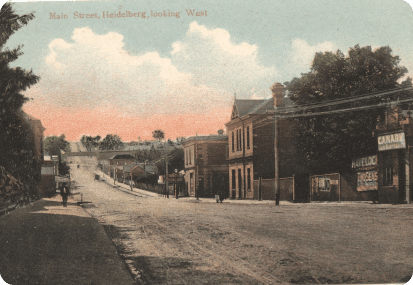
The suburb of Heidelberg was originally known as Warringal, but in the 1840s it was renamed Heidelberg after the historic university city of Heidelberg. The name reflected the influence of German immigrants and European settlers who were establishing homes, farms and small businesses in the area at the time.
During the mid-19th century a number of German families settled around the district, bringing with them traditions in farming, brewing, baking and craftsmanship. Their presence helped shape the early character of the township, which developed as a small village servicing surrounding farms along the Yarra River.
The connection to Germany also influenced the cultural identity of the area. The picturesque landscape and village atmosphere reminded many settlers of parts of Europe, which later inspired the famous Heidelberg School of Australian painters in the late 1800s.
Today the name Heidelberg remains a lasting reminder of this early European influence, linking the Melbourne suburb and the Burgundy Street precinct to its historic German namesake.
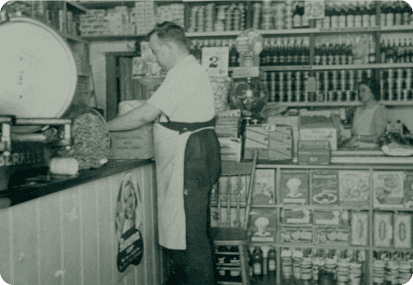
Lorem Ipsum is simply dummy text of the printing and typesetting.
The Heidelberg Festival
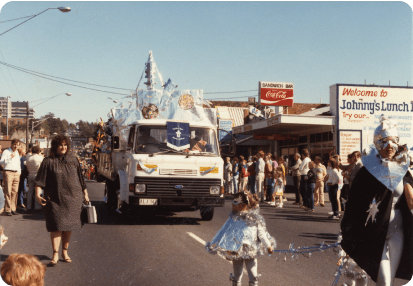
The Heidelberg Festival was a much loved community event that for many years brought thousands of people to Burgundy Street in Heidelberg. The festival began in 1980 when the Heidelberg Ethnic Council proposed a celebration to bring together the many cultures and communities living in the area.
A major highlight of the festival was the Grand Parade along Burgundy Street. Community groups, schools, sporting clubs and local organisations marched through the street before the celebrations continued in Heidelberg Park. The parade featured colourful floats, marching bands, cultural groups and local performers and quickly became one of the most anticipated events on the local calendar.
The festival celebrated the diversity of the Heidelberg community with music, entertainment, food, family activities and performances that brought people together from across the region.
Following local government changes in the 1990s and the formation of Banyule City Council, the event evolved into what became known as the Banyule Festival, expanding into a larger celebration held across the municipality.
For many locals the Heidelberg Festival created lasting memories and reinforced Burgundy Street as the heart of the Heidelberg community.
Caption caption caption caption
Bohemian Burgundy
During the late 1800s, the area around Burgundy Street and Heidelberg became known for its strong connection to art, creativity and a relaxed bohemian lifestyle. At the time the district offered beautiful rural scenery, open farmland and views of the Yarra River, which attracted painters and artists looking for inspiration outside the busy city of Melbourne.
This artistic movement became known as the Heidelberg School, Australia’s first significant art movement. Artists such as Arthur Streeton, Tom Roberts and Charles Conder painted many of their most famous works in and around Heidelberg, capturing the Australian landscape and light in a new and distinctive style.
Many of these artists lived simply while working in the area, often painting outdoors and gathering in informal camps and studios. Their lifestyle and creative community gave Heidelberg a reputation as a bohemian artistic hub.
The legacy of this period remains an important part of the identity of Heidelberg today. The artistic heritage of the Heidelberg School helped shape the cultural character of the area and contributed to Burgundy Street becoming a lively and creative centre within the community.